Cheche Za Nuru Foundation
School, a Check-Up and a Game of Football
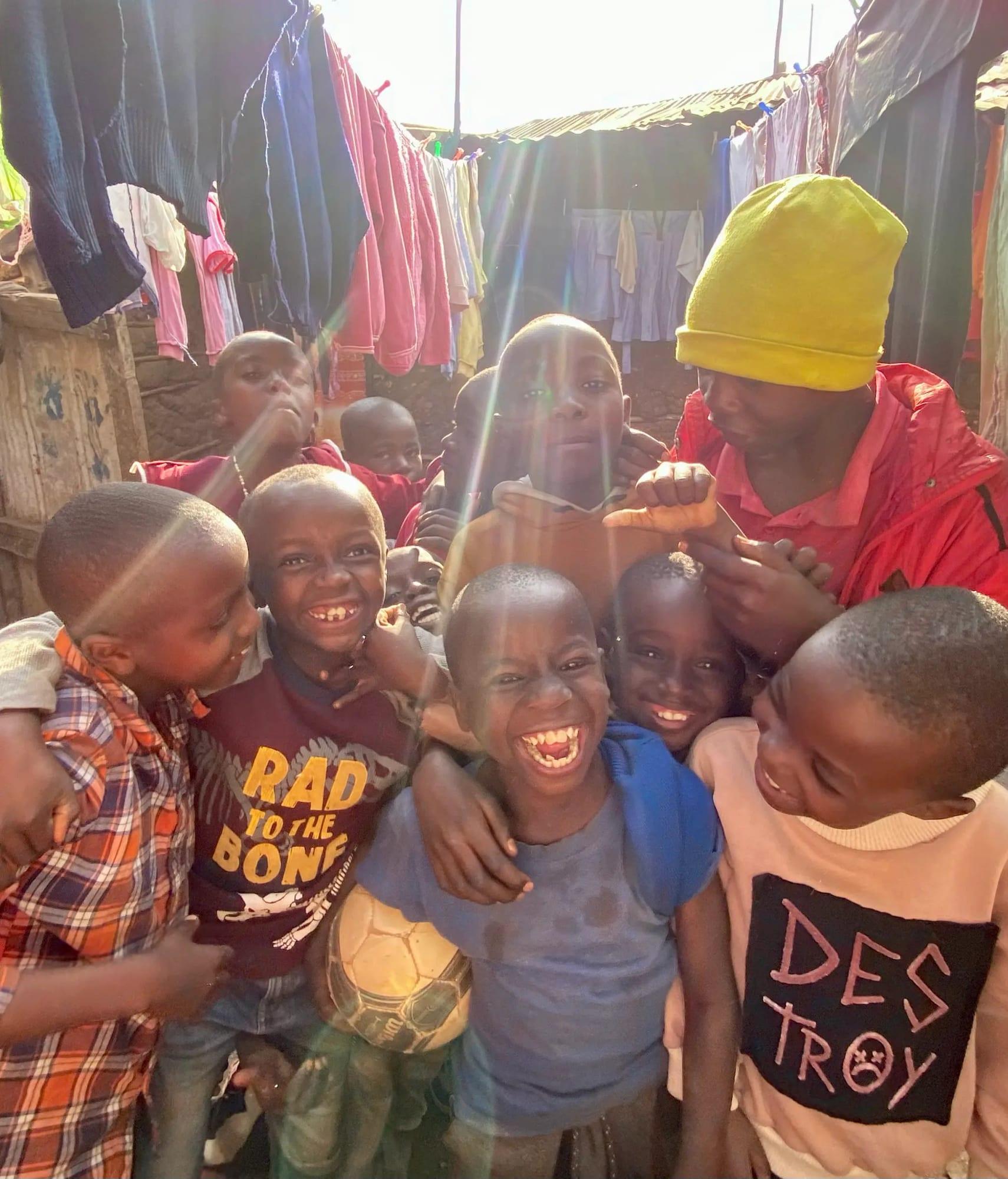
Three things every child should be able to count on. In Kibera, too many can't. Cheche za nuru means “sparks of light”: we pay school fees, cover clinic bills, put food on the table and run a football club, so children stay in class, stay well and stay in the game.
So Far
Why We Exist
Free School Isn't Free
Free primary education got millions of Kenyan children through the school gate. It didn't buy the uniform, the books or the exam fee. It never promised a meal, a nurse when a child falls sick, or a pitch to play on after class.
In Kibera, with no running water, unreliable power and most adults out of work, those gaps decide who stays in school. So that's where we work.
What We Do
Classroom, Clinic and Pitch
Education
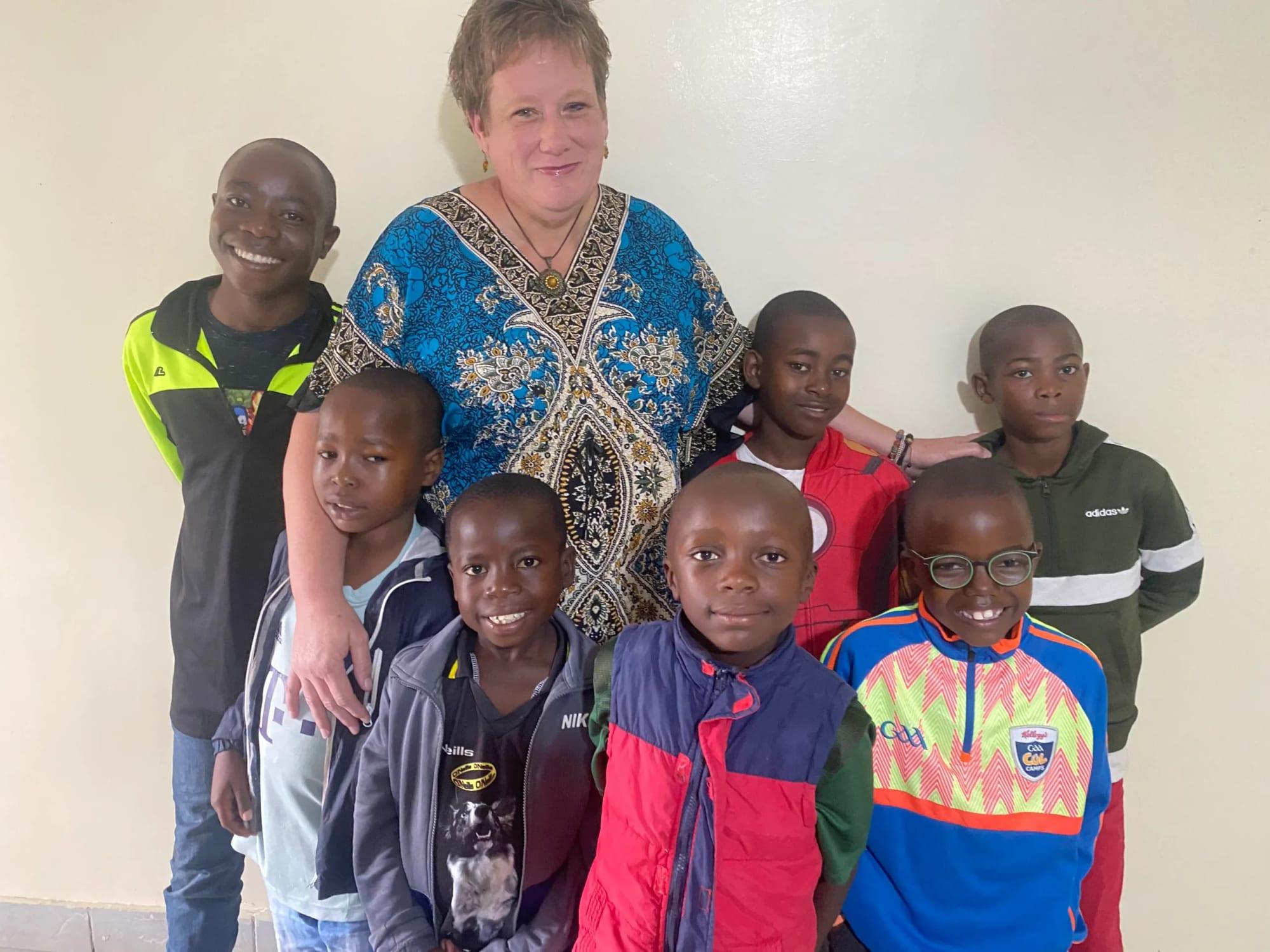
Nuru Scholars
Fees, books and uniform covered, so children in Kibera stay in class.
Healthcare
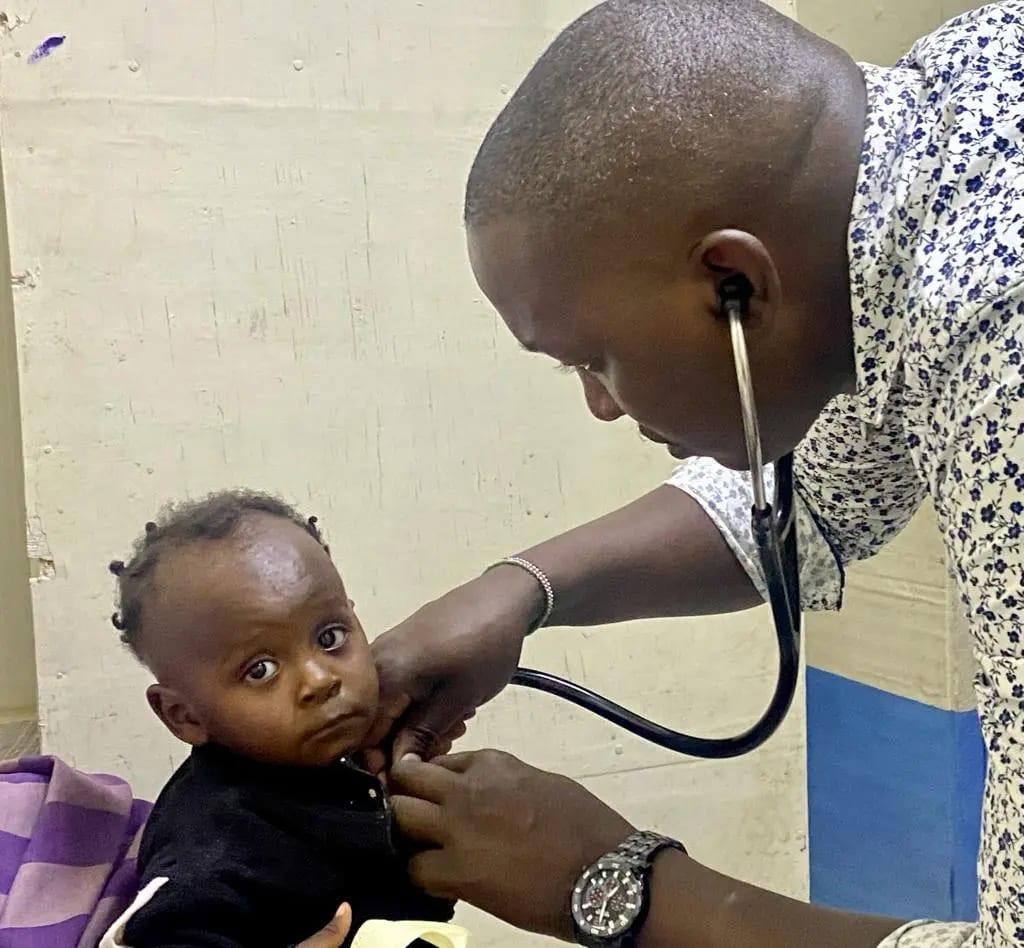
Afya Kwa Wote (Health for All)
Clinic visits, medicine and meals for families who'd otherwise go without.
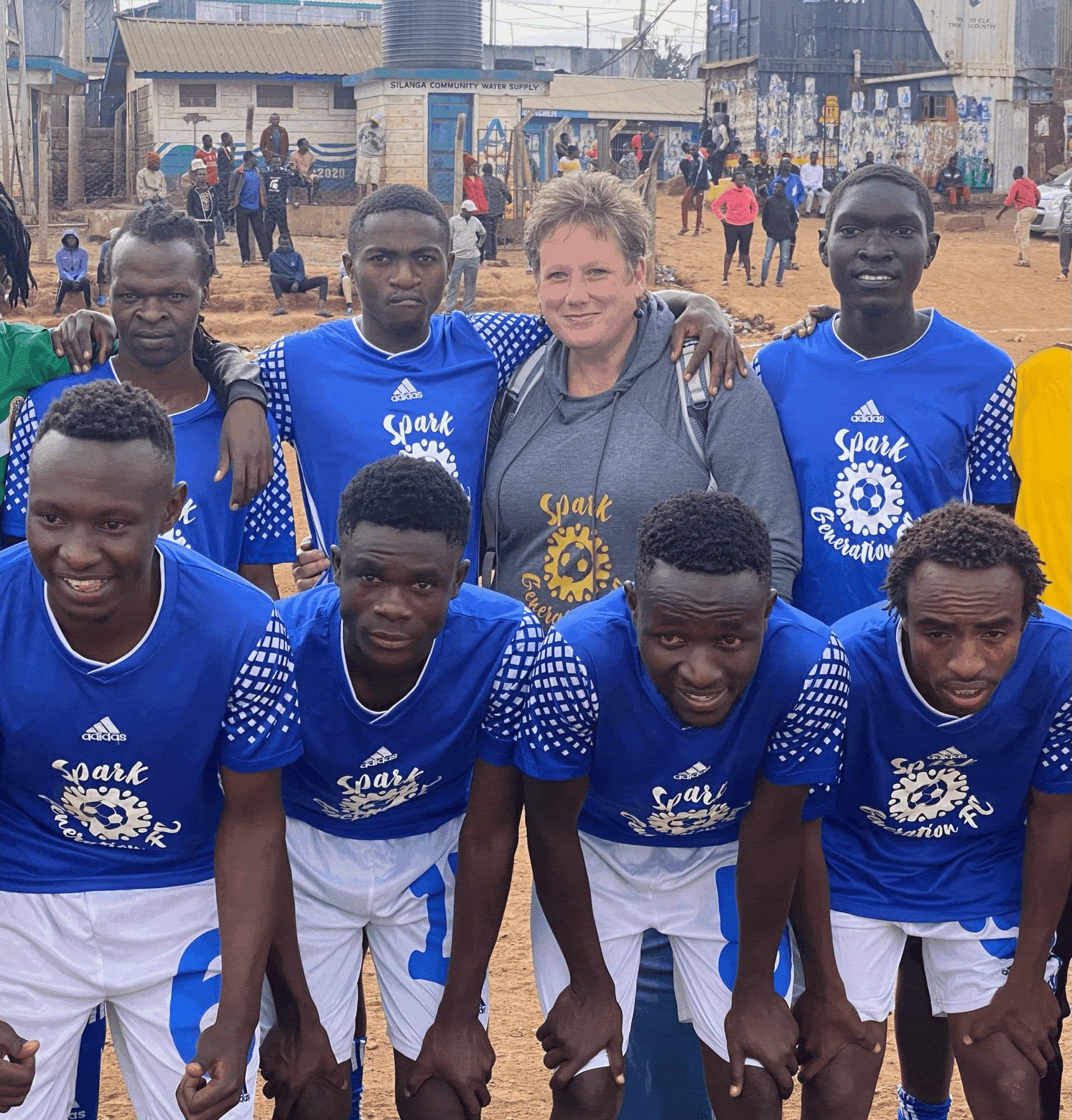
Sport
Rising Stars League
Coached football and more. Discipline, teammates and a route to scholarships.
Nuru Scholars
How a Scholarship Works
We call it a scholarship, not a sponsorship. Support comes with expectations on both sides, and that's the point.
We Meet the Family
We work directly with the child, their family and the school they've chosen.
We Cover the Costs
Tuition, admission fees, assessment books, textbooks and uniform. The things that quietly push children out of class.
They Keep Showing Up
Scholars attend regularly and share their reports. You get a progress card every quarter.
What Your Gift Does
- $25 a monthA partial scholarship
- $50 a monthA full scholarship: fees, books and uniform
- $600 a yearA full scholarship, paid once
- $32A pair of football boots for one of our players
Our Football Club
Boots, Not Crocs
The pitch in Kibera is hard soil and small rock, and it gets slippery. Plenty of the boys have been playing in Crocs or street shoes, which makes it hard to move safely, let alone with confidence.
A local shop sells us proper boots for $32 a pair. They're kept at the office between sessions, so they can't be stolen or sold.
Buy a Pair of BootsFrom Rene's Notebook
725 Shillings
Rene was at a Kibera clinic with a sick young person when a six-year-old boy was carried in, limp in his mother's arms. He had malaria.
“The parents didn't have 725 shillings for the medication as that is a week's salary in a community with 80% unemployment. I asked the doctor to put the $7.25 on my bill for the parents.”
Rene Roby, Founder
That's why there's a medical budget. A few dollars, on the right day, is sometimes the whole difference.
Meet Rene →“I am truly grateful for the opportunity that CZN has afforded me.”
In Kibera
Where the Work Happens
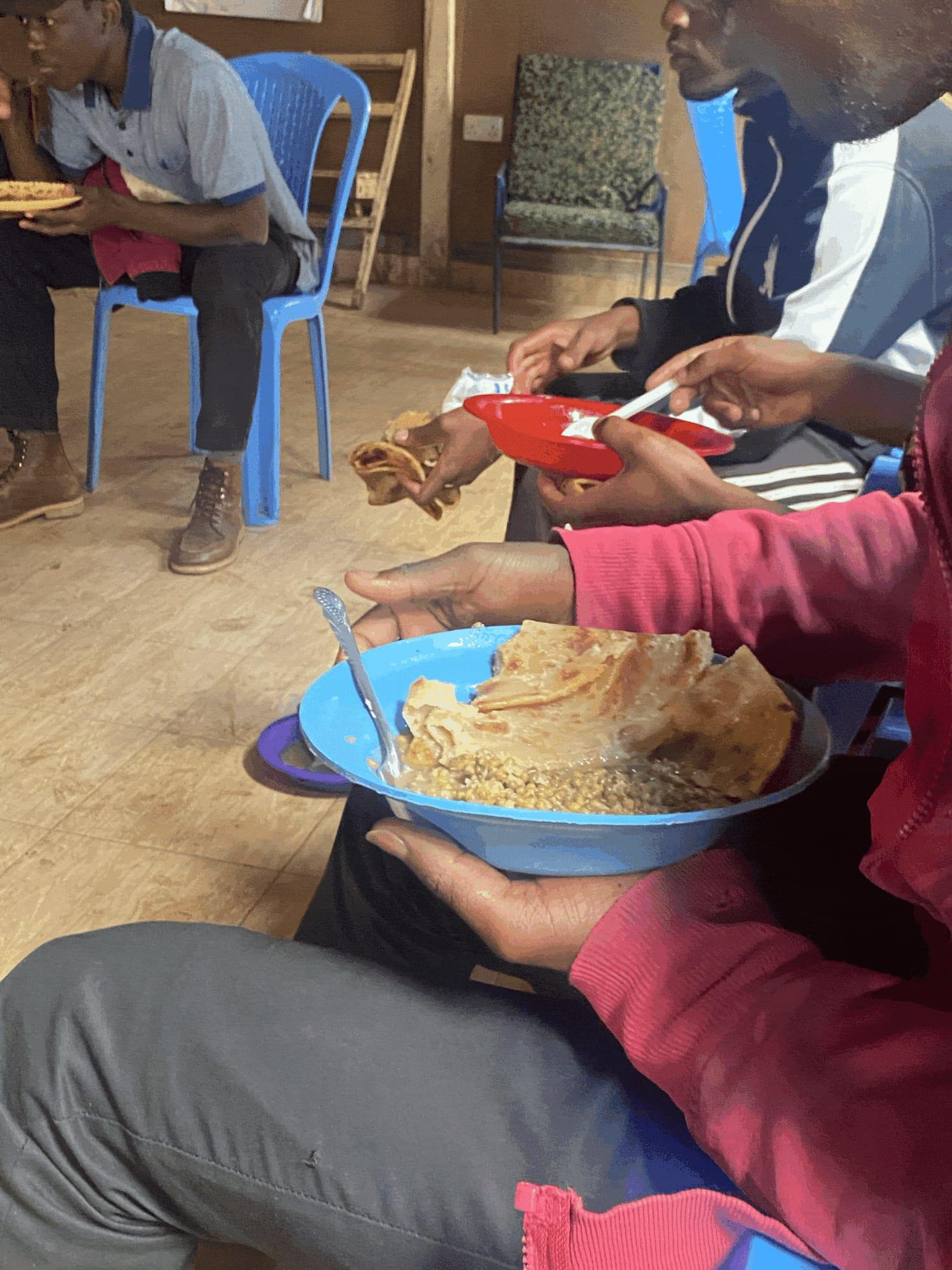
Lunch at the feeding programme 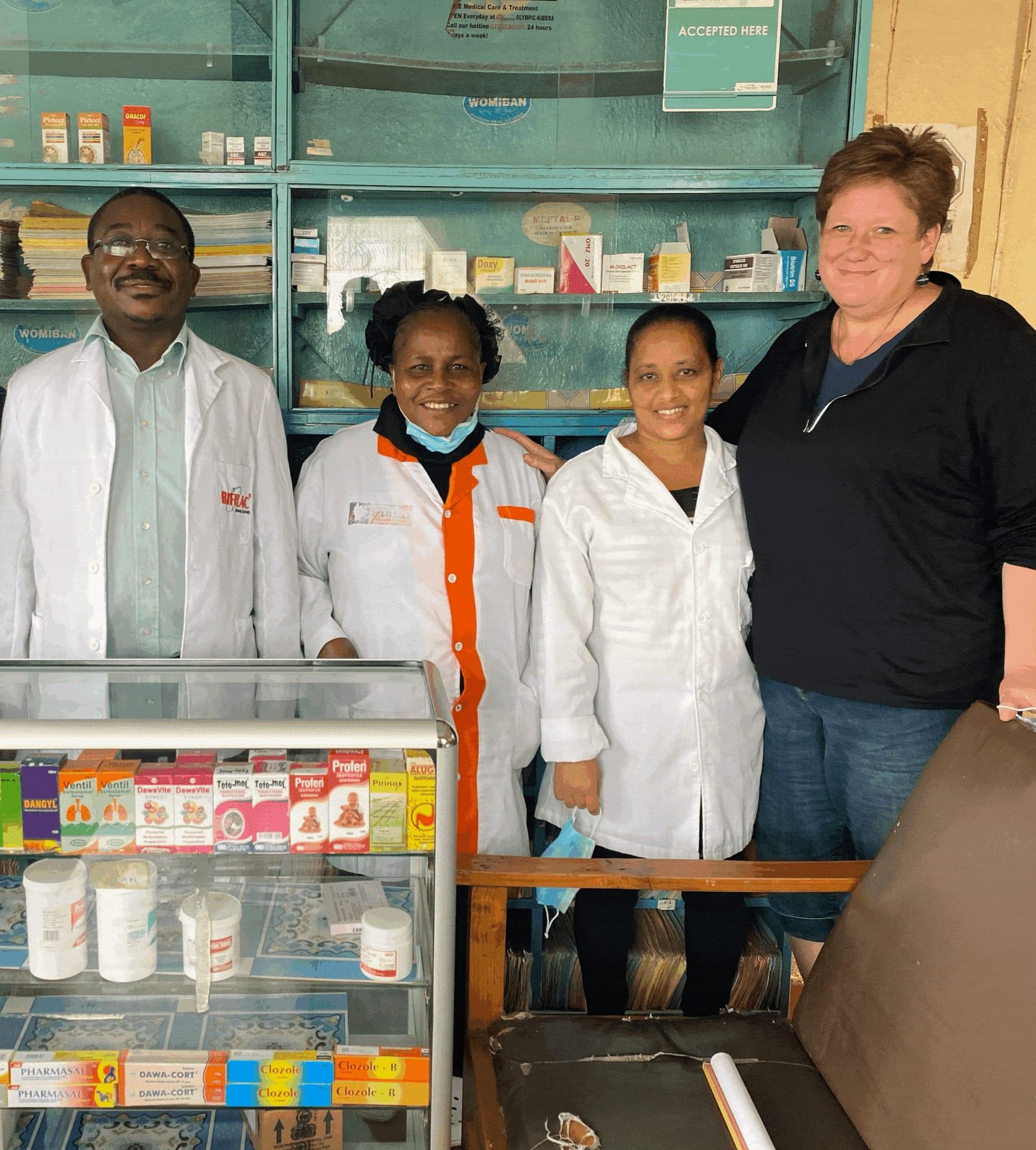
At the clinic 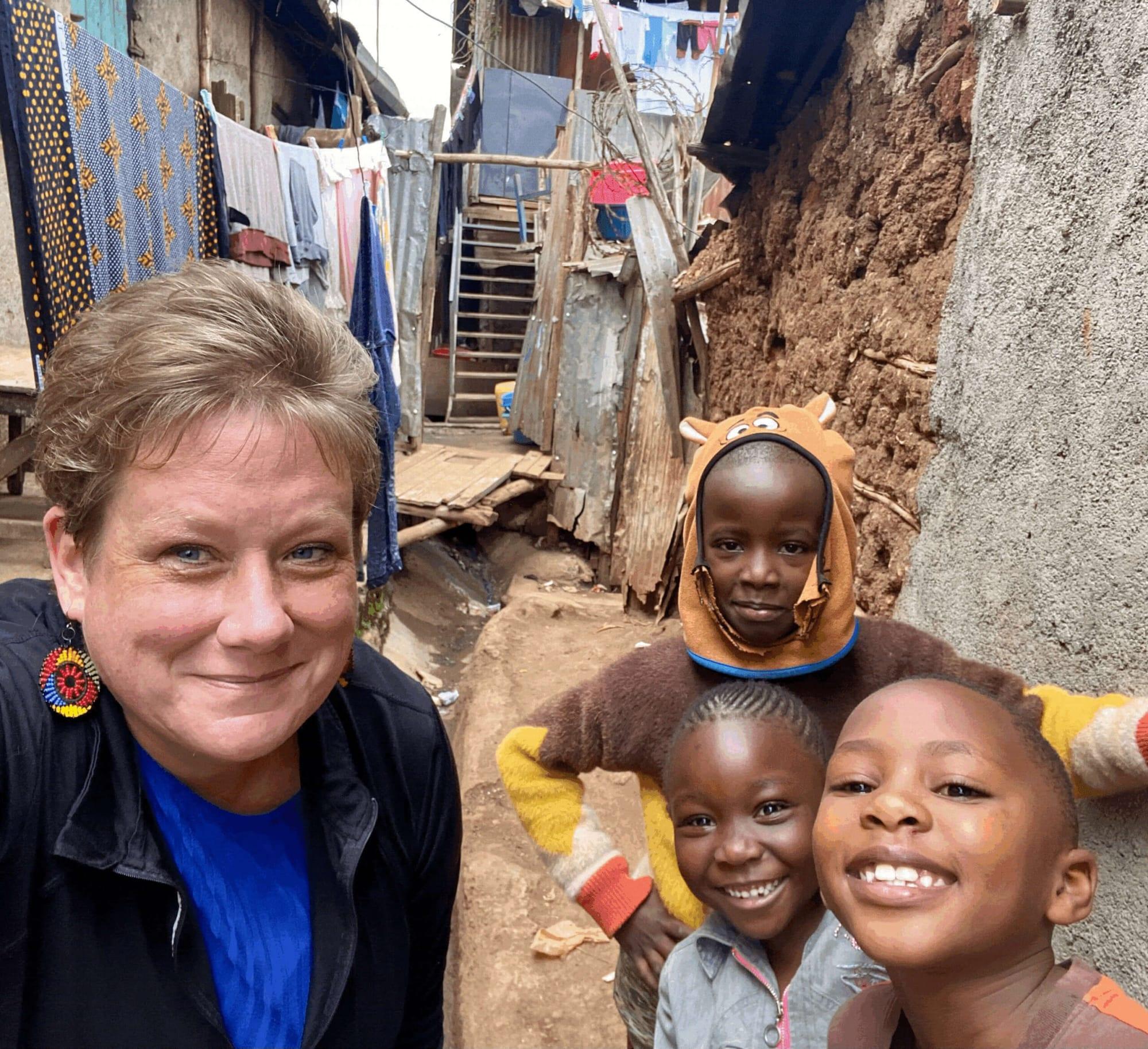
Rene in Kibera 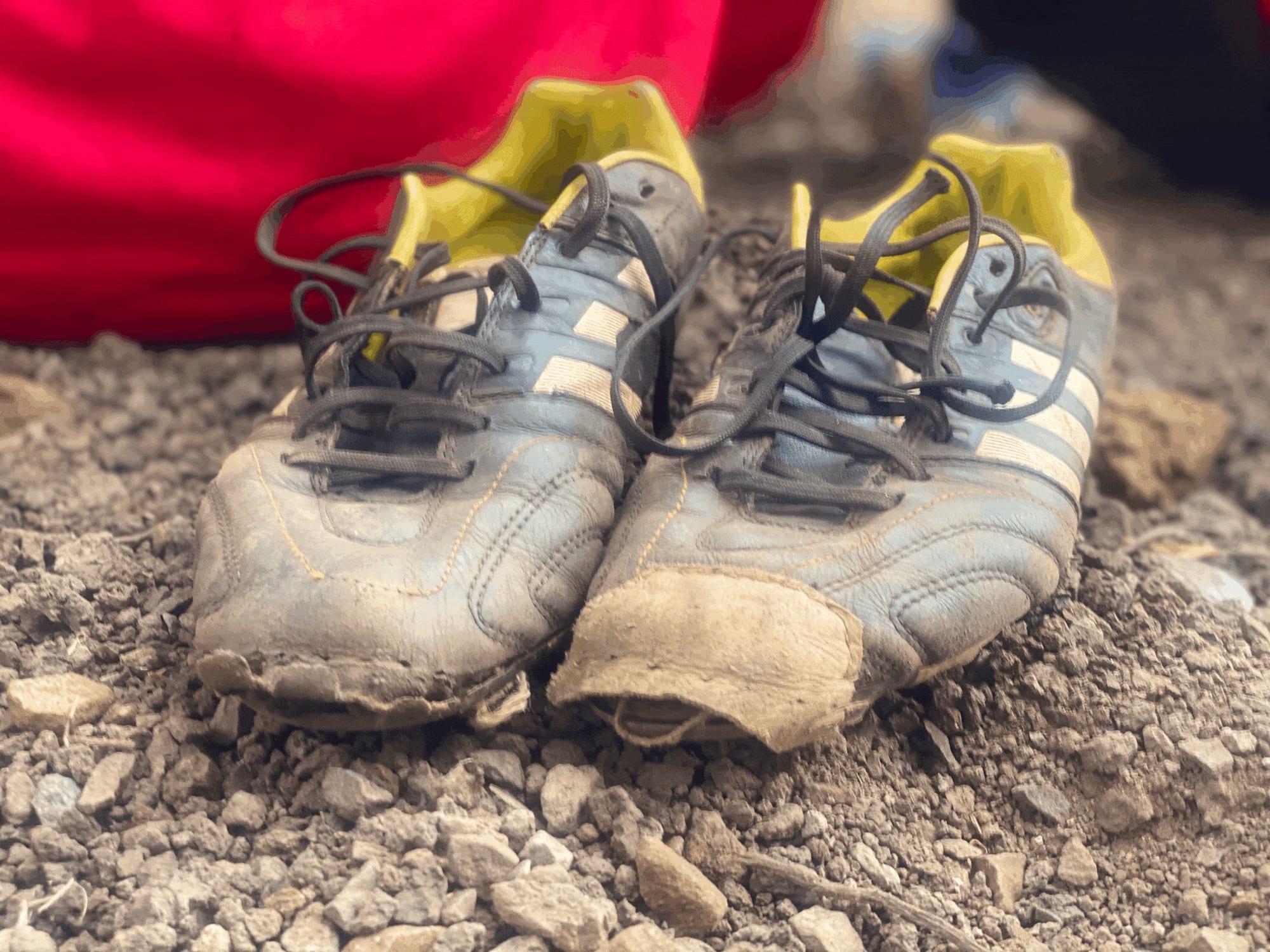
Worn-out football boots
Get Involved
Three Ways to Pitch In
Keep a Child in Class This Term
Give once or every month, and choose the programme your gift goes to.