Programmes
Classroom, Clinic and Pitch
Our work with children in Kibera runs through three programmes. Each one covers a gap that free schooling and public services leave open.
Why It Matters
Growing Up in Kibera
Kibera is the largest informal settlement in East Africa. Free primary education gets its children through the school gate, but it doesn't buy the uniform, the books or the exam fee, and with most adults out of work there is seldom money for the clinic when malaria comes. A week's medicine can cost a week's wages.
Each programme below closes one of those gaps, for the same children, so that a child who is in class is also well enough to learn and has somewhere to play after the bell.
Education
Nuru Scholars
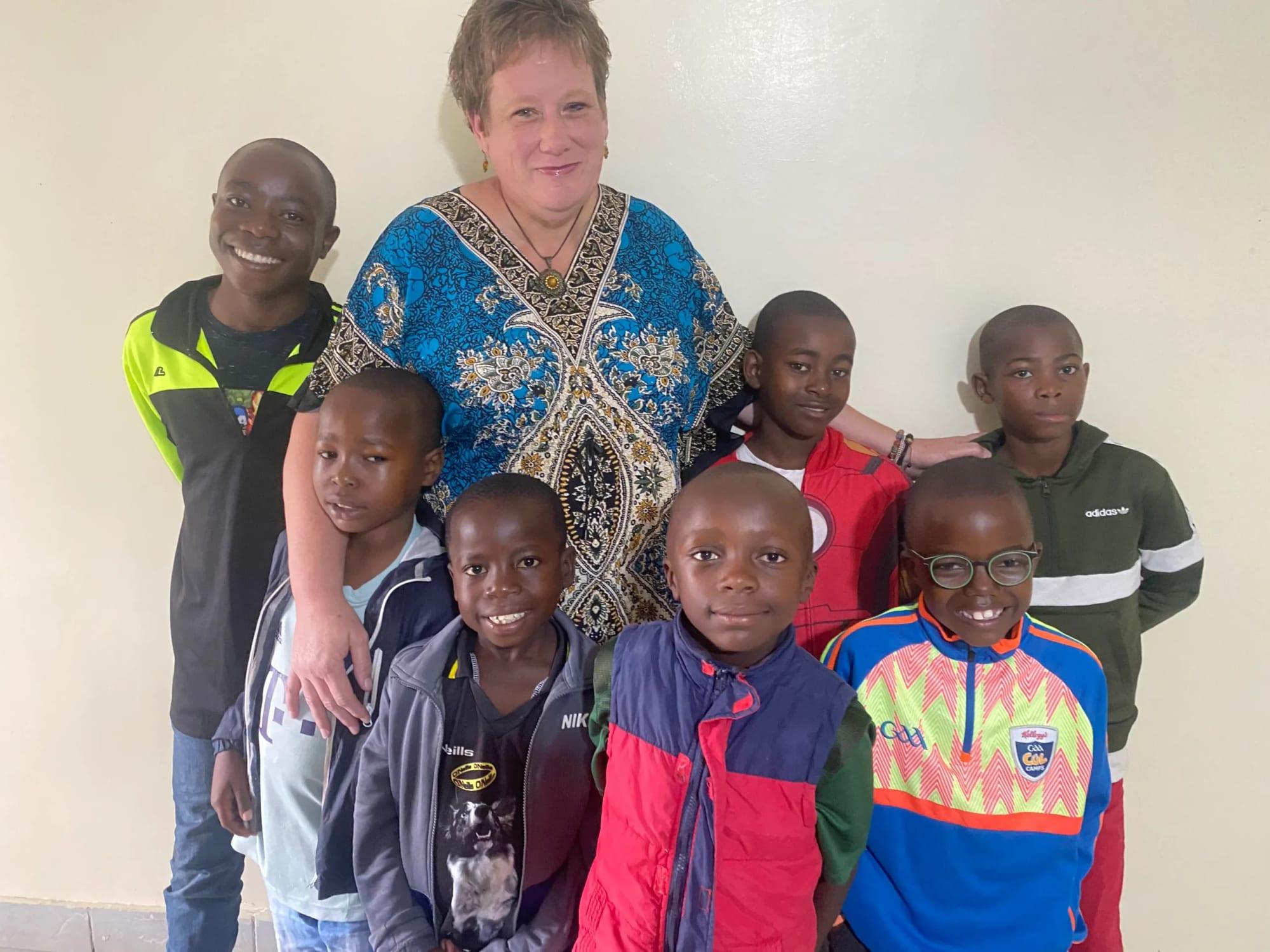
School isn't free in Kenya. Nuru Scholars covers tuition, admission fees, assessment books, textbooks and uniform, and we work directly with each family and the school they choose. We call it a scholarship, not a sponsorship, on purpose: scholars attend regularly and share their reports, and we keep showing up. It's a relationship, not a lottery win.
- Full and partial scholarships
- Tuition, books, admission fees and uniform
- A progress card every quarter
- Mentors who know the family
Healthcare
Afya Kwa Wote (Health for All)
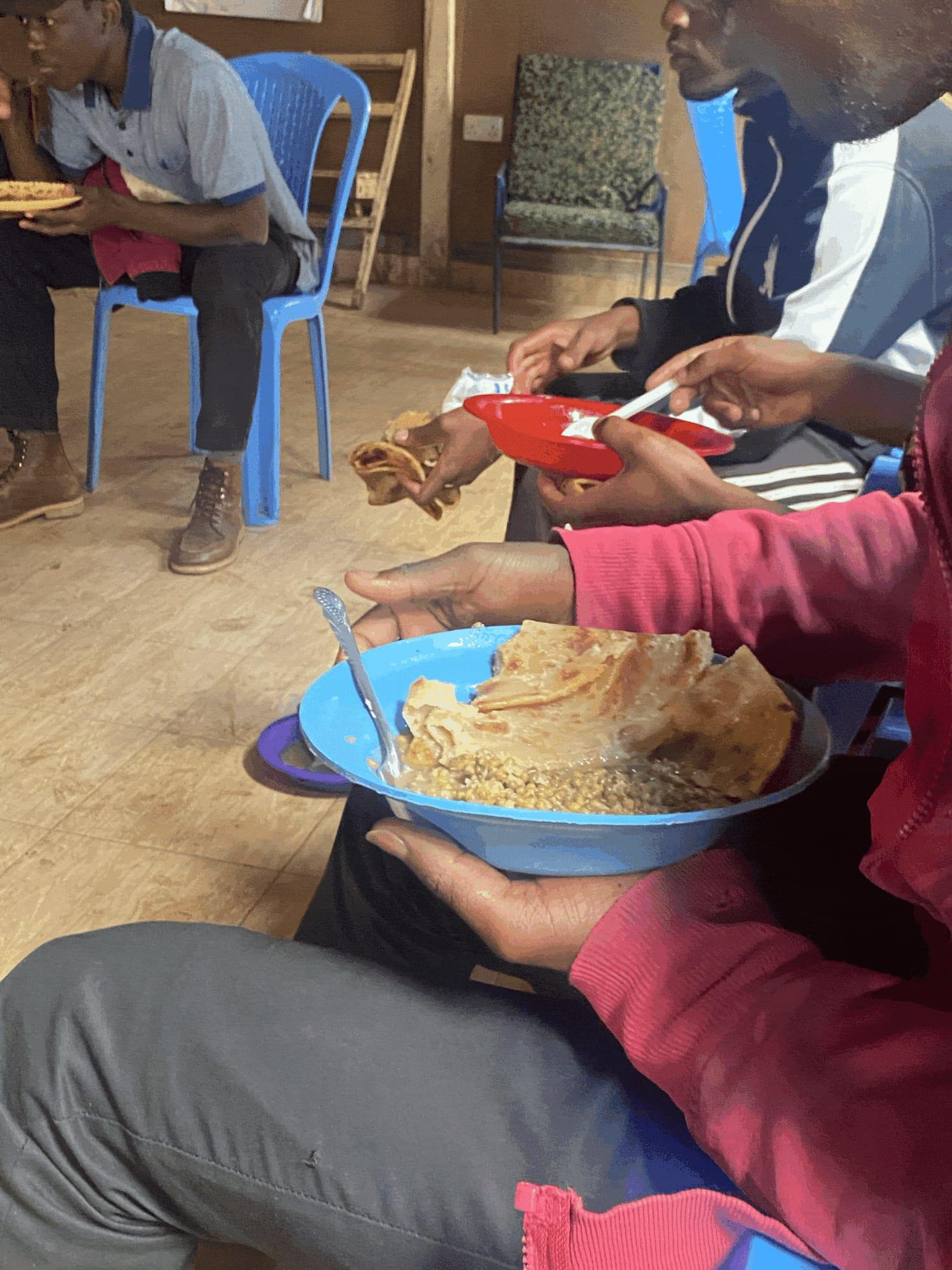
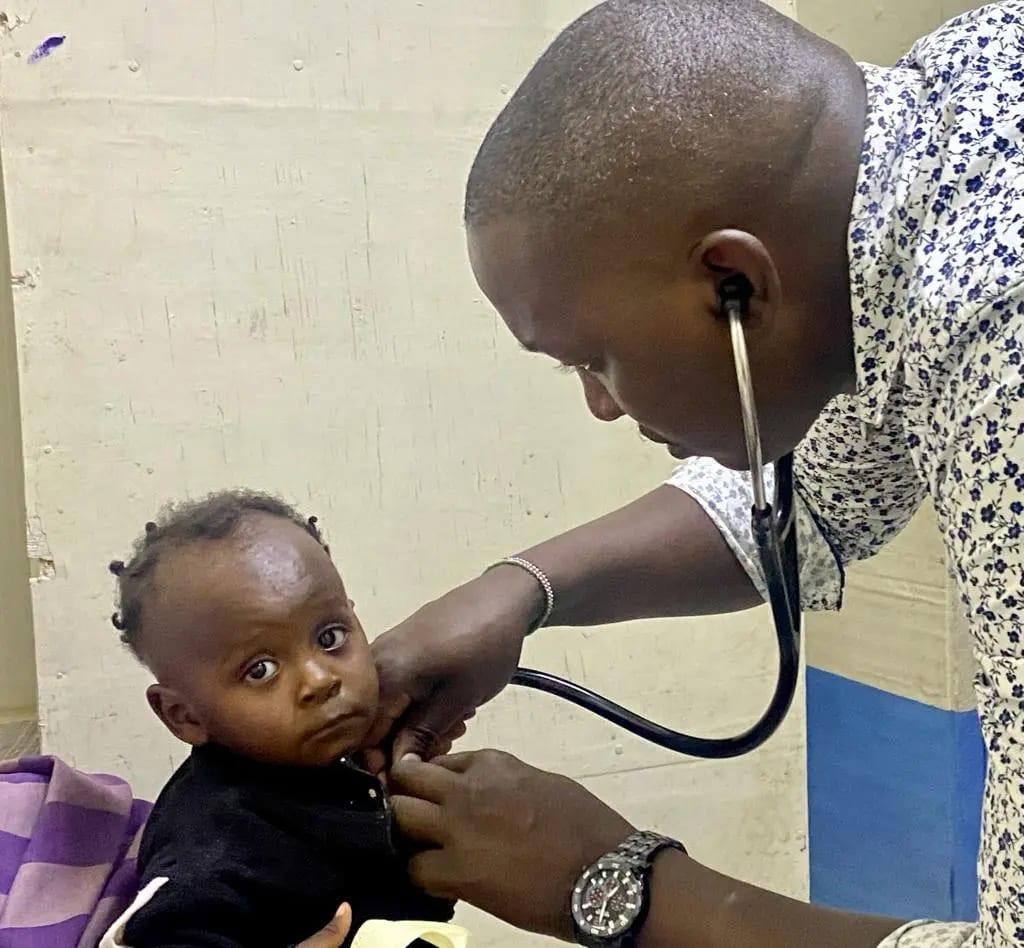
Malaria, typhoid and pneumonia are everyday threats in Kibera, and the medicine often costs more than a family has that week. Working with a local partner clinic, we pay for prescriptions and hospital tests, support people living with HIV, and run a feeding programme, because a child who hasn't eaten in two days can't concentrate in class.
- Prescriptions and hospital tests paid for
- A local partner clinic
- Counselling for people living with HIV
- Meals for children and food staples for families
Sport
Rising Stars League
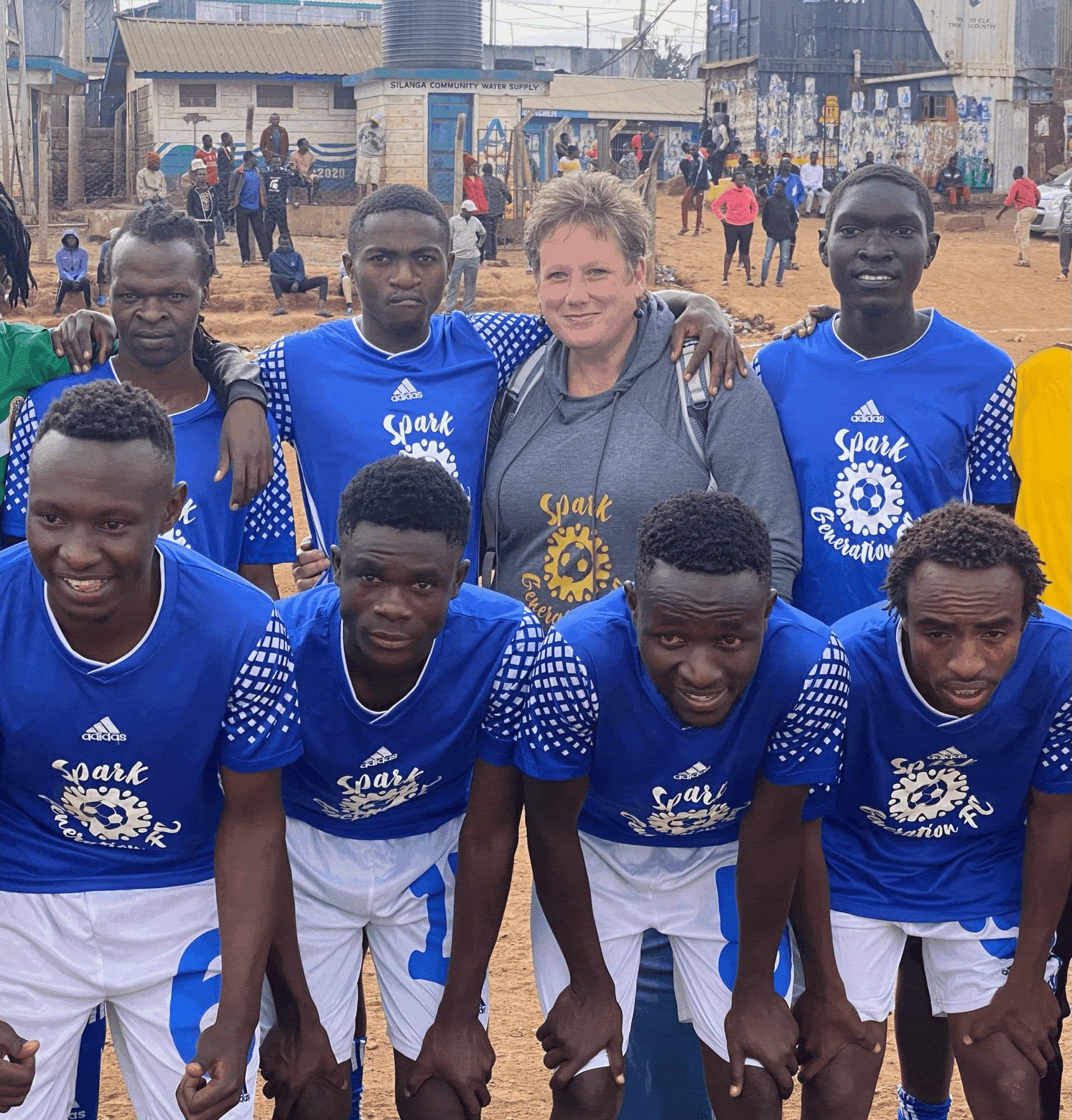
Our football started with a club in Kibera, on a pitch of hard soil and loose rock where boys played in Crocs and street shoes. Good players get noticed, and that's leverage: we use it to argue for sports scholarships and further education. Boots are kept at the office so they can't be stolen or sold.
- A youth football club in Kibera
- Coaching and regular fixtures
- Boots and kit kept safe at the office
- Advocacy for sports scholarships
What's On
Dates for the Diary
Outreach days, mentorship forums and match days.
Nothing public on the calendar right now. New dates go up here and on our Instagram.
How We Work
Three Rules We Keep
Access
We go to the children most likely to miss out, not the ones easiest to reach.
Relationship
We know the families and the schools by name. Support comes with expectations on both sides.
Consistency
A one-off visit doesn't keep a child in school. Scholarships, clinics and the football club run term after term.
Fund a Programme
Choose education, healthcare or sport when you give, or let us put it where it's needed most.